Tribal Fish Embroidery: A Designer’s Review
As an embroidery designer who spends countless hours digitizing and stitching, I am always on the lookout for unique assets that save time without sacrificing quality. Recently, I explored Tribal Fish Embroidery on Creative Fabrica to determine if it would hold up in real-world commercial applications. For those of us running small businesses or selling on platforms like Etsy, finding a design that balances artistic flair with technical reliability is crucial. This review breaks down my experience evaluating this specific machine embroidery design for potential use in custom apparel and home decor.
First Impressions and Visual Mood
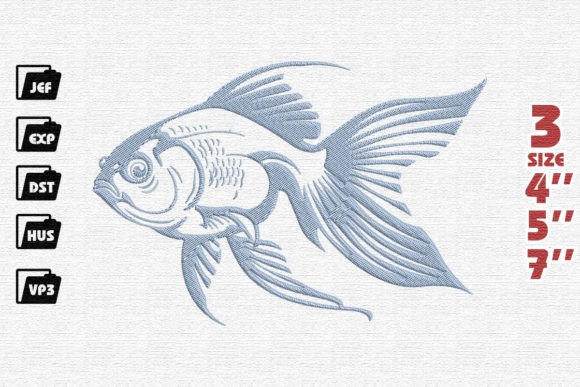
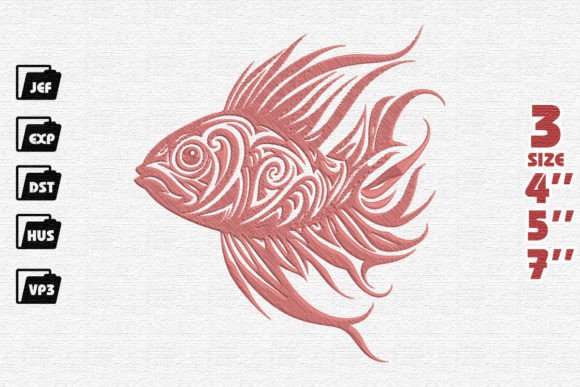
The first thing that strikes you about Tribal Fish Embroidery is its bold, graphic nature. Unlike realistic fish designs that rely heavily on shading and complex color gradients, this piece leans into a tribal or indigenous art style. The lines are clean, and the shapes are distinct, which immediately suggests versatility. It does not look like a generic clipart conversion; instead, it feels like a deliberate artistic representation.
For embroidery designers, this visual clarity is a major advantage. Complex, photo-realistic designs often struggle with thread breakage or puckering on certain fabrics. In contrast, the structured aesthetic of this Embroidery file suggests it was created with stitch flow in mind. The decorative appeal lies in its simplicity and strength, making it a standout choice for projects where you want the design to be the focal point rather than getting lost in background noise.
Practical Applications for Handmade Products
When considering a new digital embroidery file, I always ask myself where it fits best in a product lineup. Tribal Fish Embroidery is surprisingly adaptable. Here is how I envision it performing across different categories:
- Custom Apparel: This design works exceptionally well on sweatshirt embroidery. The bold lines stand out against heavy cotton blends, making it ideal for casual streetwear or niche hobbyist gear.
- Tote Bag Design: Canvas bags require designs that can withstand tension. The structural integrity of this tribal style makes it a safe bet for tote bags, offering a stylish alternative to standard text-based prints.
- Embroidered Patch: Because of its defined edges, this is a prime candidate for cut-out patches. You can stitch it on stabilizer, trim closely, and apply it to caps or jackets for a rugged, boutique merchandise look.
- Nursery Decor: While "tribal" might sound mature, the subject matter is a fish, which remains playful. It could serve as a unique centerpiece for a nursery theme that avoids typical pastel clichés.
For Etsy sellers and craft fair vendors, this design offers a fresh angle on the popular Fish category. It appeals to buyers who appreciate indigenous art styles or those looking for a thoughtful gift for anglers who prefer artistic representations over literal ones.
Technical Considerations for Stitching
While the design looks promising on screen, real-world stitching presents challenges. Here are the technical aspects I evaluated before committing to a full production run.
Fabric and Stabilizer Choices
The success of any machine embroidery design depends heavily on the substrate. For Tribal Fish Embroidery, I recommend testing on medium-weight fabrics first. If you are using stretchy fabric like jersey for a t-shirt, a cut-away stabilizer is non-negotiable to prevent distortion. For woven materials like denim or canvas aprons, a tear-away stabilizer may suffice, but always test on scrap fabric first.
Dark fabric poses a common challenge. If the design uses light thread colors, ensure there is enough density to cover the background. Conversely, if stitching on dark material with dark thread, you must rely on texture and sheen to make the design pop. Reviewing stitch density is essential here; if the areas are too sparse, the fabric will show through, ruining the crisp tribal look.
Hoop Size and Placement
One practical note for users is to confirm the hoop size required. Tribal designs often have wide stances. Ensure your machine can accommodate the width of the fish without needing to re-hoop, which can lead to alignment issues. For curved surfaces like caps, this design might need to be scaled down slightly to fit the contour without pulling. Always check the product details on the Creative Fabrica page for specific dimensions before purchasing.
Thread Color and Contrast
The artistic impact of this piece relies on contrast. I suggest using high-contrast thread colors to emphasize the tribal patterns. A satin stitch border around fill stitch areas can help define the shape further. However, avoid overly shiny threads if you want a rustic, handmade product feel. Matte cotton or polyester threads often render tribal motifs more authentically than metallics.
Commercial Viability and Brand Value
For creative entrepreneurs, the question is always about value. Does Tribal Fish Embroidery enhance your brand? Using high-quality, unique design assets helps build buyer trust. When customers see clean, professional stitching on a finished product, they perceive higher value. This design’s striking appearance can elevate simple items like kitchen towels or pillow covers into premium gifts.
Moreover, this design lends itself well to product photography. The bold lines create strong visual interest in images, which is critical for online sales. Whether you are creating a printable mockup for your store or photographing the actual embroidered patch, the design’s clarity ensures it looks good from a distance and up close.
Final Verdict and Best Practices
After reviewing Tribal Fish Embroidery, I find it to be a solid addition to any embroidery library, particularly for those focusing on artistic or thematic collections. It is not just a generic fish icon; it is a stylized piece that brings character to every project.
Before you start stitching for clients, follow these steps:
- Check Licensing: Always review the license terms on the Creative Fabrica product page. Ensure you are compliant for commercial embroidery products if you plan to sell finished items.
- Test Stitch: Run a test on your intended fabric. Check for thread breaks in tight corners and ensure the stabilizer holds the fabric flat.
- Inspect Details: Look closely at the small details after stitching. If any areas look messy, adjust your tension or speed.
- Mockup Variations: Create digital mockups on both light and dark garments to see how the thread colors interact with the background.
In conclusion, Tribal Fish Embroidery is a versatile and aesthetically pleasing choice for designers. It bridges the gap between traditional motifs and modern application, making it suitable for everything from personalized gifts to boutique merchandise. By paying attention to stabilizer choices and thread contrast, you can produce high-quality results that delight customers and strengthen your brand identity.