Reviewing Rooster Portrait Farm Embroidery
As an embroidery designer who has spent years testing digital files for client projects, I approach every new machine embroidery design with a mix of excitement and skepticism. We all know that what looks perfect on a screen does not always translate seamlessly to fabric. Recently, I had the opportunity to test the Rooster Portrait, Farm Animal Embroidery design, specifically evaluating its potential for a personalized gift shop environment. My goal was simple: determine if this file could withstand the rigors of commercial production while delivering the emotional impact customers expect from a personalized gift.
First Impressions and Aesthetic Appeal
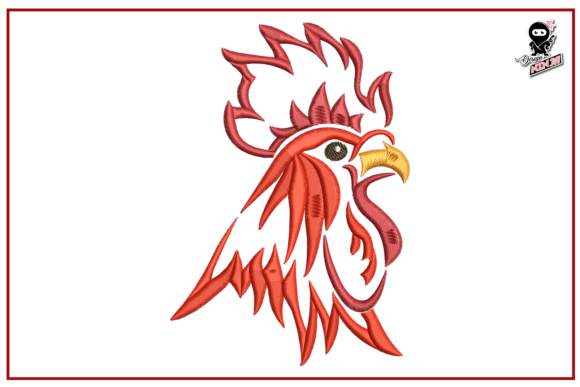
Upon loading the preview, the immediate impression of the Rooster Portrait, Farm Animal Embroidery is one of rustic charm mixed with refined detail. It does not feel overly cartoonish, which is a common pitfall in animal-themed designs. Instead, it strikes a balance between playful and classic. The mood is warm and inviting, making it suitable for a wide demographic. For a small business owner, this versatility is crucial. You are not limited to just one niche; this design can appeal to homeowners looking for kitchen decor, parents seeking nursery items, or individuals wanting a unique wedding gift for a couple with a love for country living.
The level of detail suggests a high-quality embroidery file that respects the capabilities of modern machines. However, the true test lies in how these details hold up on various textiles. The design feels handmade and authentic, which is exactly what buyers on platforms like Etsy are searching for. They want to feel a connection to the creator, and a well-executed rooster portrait can serve as that bridge between digital art and tangible comfort.
Versatility Across Product Lines
One of the strongest assets of this design is its adaptability. In my review, I considered several product applications where Rooster Portrait, Farm Animal Embroidery could shine. For baby embroidery, imagine this stitched onto a soft muslin swaddle or a organic cotton onesie. The farm animal theme is timeless for nurseries, offering a gender-neutral option that appeals to many parents. However, when applying it to baby items, one must be mindful of the stitch density. Babies have sensitive skin, so ensuring the back of the embroidery is smooth and free of scratchy jump stitches is non-negotiable.
For home decor, the possibilities expand significantly. An embroidered towel featuring this rooster makes for a charming housewarming present. Similarly, stitching it onto a linen pillow cover adds texture and visual interest to a living room sofa. I also see great potential for blanket embroidery on fleece or minky fabrics, provided the correct stabilizer is used to prevent puckering. For the fashion-forward crafter, this design works beautifully on denim tote bags or canvas aprons, turning everyday items into statement pieces.
If you are an Etsy seller or run a small shop product line, this design can anchor a seasonal collection. Think of spring Easter gifts or autumn harvest themes. The ability to use this single digital embroidery file across multiple categories increases your return on investment and simplifies inventory management.
Technical Considerations and Fabric Challenges
While the aesthetic is strong, practical application requires careful planning. Not all fabrics behave the same way. When working with textured fabric, such as terry cloth towels or waffle weave, the finer details of the rooster’s feathers might get lost. In these cases, I recommend using a cut-away stabilizer to provide maximum support and prevent the design from sinking into the pile.
Another critical factor is the hoop size. Before purchasing or downloading, you must confirm that the design fits within your machine’s maximum hoop capacity. If the design is large, it may require re-hooping, which introduces the risk of alignment errors. For curved surfaces, like the sleeve of a t-shirt or the corner of a pillow, proper hooping technique is essential to avoid distortion. Stretchy baby clothes present another challenge; without a tear-away or cut-away stabilizer appropriate for knits, the embroidery can warp after washing.
Color contrast is equally important. On dark fabric, lighter thread colors will pop, but you must ensure the design includes enough saturation to cover the background fabric completely. Conversely, on light fabric, subtle shading in the rooster’s plumage needs to be distinct enough to be visible from a distance. I always advise creating a printable mockup or stitching a test sample on both light and dark scraps before committing to a final finished product.
Enhancing Perceived Value and Trust
From a business perspective, the quality of your embroidery directly impacts customer trust. A clean, professional-looking custom embroidery job signals attention to detail. When a customer receives a gift that feels substantial and well-crafted, they are more likely to leave positive reviews and return for future purchases. The Rooster Portrait, Farm Animal Embroidery has the potential to elevate the perceived value of your items because it moves beyond generic clipart into the realm of artistic interpretation.
Product photography plays a huge role here. A well-lit photo that highlights the texture of the thread colors and the precision of the stitches can significantly boost buyer engagement. Show the design in context—on a cozy blanket draped over a chair or on a tote bag filled with fresh produce. This helps the customer visualize the item in their own life, strengthening the emotional connection.
Practical Steps for Commercial Use
Before listing any items made with this design, there are several logistical steps to take. First, always test on scrap fabric that matches the weight and weave of your final product. Check the stitch density to ensure it does not perforate delicate fabrics. Second, verify the commercial licensing terms. While many designers offer licenses for selling commercial embroidery products, it is vital to read the specific terms associated with the Rooster Portrait, Farm Animal Embroidery Design. Ensure you are compliant with any restrictions on mass production or digital redistribution.
Finally, consider the care instructions for your customers. Items that need frequent washing, such as kitchen towels or baby clothes, require durable thread and secure backing. Inform your buyers how to care for their handmade product to ensure longevity. By combining a beautiful design with professional execution and clear communication, you create a product that stands out in a crowded market.
In conclusion, the Rooster Portrait, Farm Animal Embroidery is a versatile and charming addition to any designer’s library. With proper attention to fabric texture, stabilizer choice, and hoop sizing, it can become a staple in your personalized gift offerings. Whether for a wedding gift, a nursery accent, or a custom tote, this design offers the warmth and quality that today’s crafters and customers crave.