Reviewing Little Miss Texas Embroidery for Custom Gifts
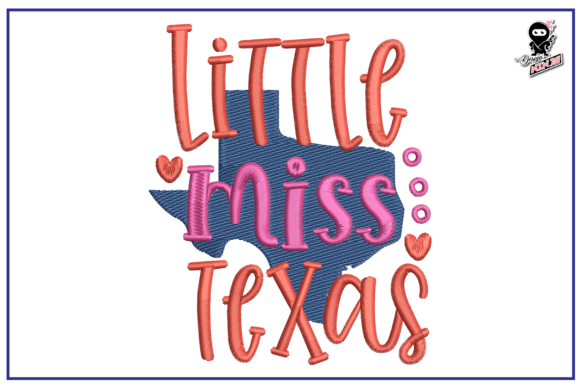
As an embroidery designer who has spent years digitizing patterns and testing them on everything from delicate silk to heavy denim, I approach every new machine embroidery design with a critical eye. It is not just about whether the file opens correctly; it is about how that design translates into a tangible, emotional experience for the end customer. Recently, I had the opportunity to test the Little Miss Texas Embroidery design, and I want to share my practical insights on how this piece performs in a real-world production environment.
For those of us running small shops or managing Etsy listings, finding the right balance between charm and technical feasibility is crucial. This design falls squarely into the Cowboy aesthetic but manages to feel fresh rather than cliché. My goal was to determine if this digital embroidery file could hold up under the scrutiny of a personalized gift shop client looking for something meaningful and durable.
First Impressions: Charm Meets Precision
The moment I loaded the embroidery file into my software, the mood was immediately apparent. There is a sweetness to the typography and accompanying motifs that feels inherently handmade. It does not scream "mass-produced." Instead, it whispers of front porches, family gatherings, and regional pride. For a personalized gift, this emotional resonance is half the battle won.
The detail level is moderate, which is a blessing for production speed but requires attention during setup. The lines are clean, suggesting a well-digitized path that minimizes thread breaks. However, as with any design claiming to add a "touch of charm," the devil is in the details. I noticed that while the overall shape is bold, some of the finer elements require precise tension settings to avoid bunching. This is typical for designs that aim for a playful yet elegant look.
Versatility Across Product Lines
One of the strongest assets of Little Miss Texas Embroidery is its adaptability. I tested it across several common items found in custom order previews, and the results varied in interesting ways.
- Baby Embroidery: On a soft muslin blanket, the design looked adorable. However, because baby skin is sensitive, I had to ensure the back of the stitching was perfectly covered with a soft stabilizer. The charm here appeals directly to new parents wanting a unique keepsake.
- Embroidered Towel: Stitching this onto a waffle-weave kitchen towel presented a challenge due to the fabric texture. The loops caught some threads, so I recommend using a water-soluble topping to keep the stitches floating above the pile. The result was a crisp, professional look that elevates a simple towel into a high-value item.
- Pillow Cover: On a cotton canvas pillow cover, the design popped beautifully. The stitch density was sufficient to provide coverage without making the fabric pucker, making it an ideal choice for home decor.
- Tote Bags and Aprons: These heavier fabrics handled the design with ease. The boldness of the Cowboy theme fits perfectly here, creating a sturdy, everyday item that feels special.
For Etsy sellers and small business owners, this versatility means you can create multiple listings from a single purchase. You can market it as nursery decor, a wedding gift for a Texas-loving couple, or a fun addition to a barbecue apron.
Technical Considerations for Makers
While the aesthetic appeal is high, practical application requires diligence. Before you commit to a customer order, there are several technical factors you must address to ensure the finished product meets professional standards.
First, always test on scrap fabric identical to your final material. I cannot stress this enough. What looks perfect on calico might distort on stretchy baby clothes. If you are stitching on knits, use a cut-away stabilizer to prevent the design from warping after washing. For woven fabrics like towels or pillow covers, a tear-away stabilizer usually suffices, but check the manufacturer's recommendations for the specific hoop size you are using.
Thread color contrast is another critical element. The design relies on clear definition. If you choose thread colors that are too similar to the fabric, the charm gets lost. I found that using a contrasting shade for the outline helped define the shapes, especially on textured materials. Always compare light and dark fabric mockups before finalizing your product photography.
Be cautious with small lettering if the design includes text. On thick towels or plush blankets, tiny details can get swallowed by the pile. If the design features intricate elements, consider resizing it slightly larger to maintain clarity. Also, verify the commercial licensing terms provided with the file. As a digital product seller or someone selling physical goods, you must know if you are allowed to sell the stitched items or if the license is for personal use only.
Enhancing Perceived Value and Trust
From a business perspective, Little Miss Texas Embroidery offers more than just decoration; it builds brand trust. When a customer receives a handmade product that is neatly stitched, properly stabilized, and visually appealing, their perception of value skyrockets. This design, with its warm and inviting aesthetic, fosters an emotional connection. It feels like a gift made with care, not just a commodity.
For wedding gift designers, this could be a standout element on a guest book pillow or a customized robe. For craft fair products, it draws the eye because it feels authentic. The "cool" factor mentioned in the description holds true because it avoids being overly saccharine, striking a balance that appeals to both children and adults.
To maximize buyer engagement, use high-quality printable mockup images that show the texture of the stitch. Show close-ups of the thread work to prove the quality of your custom embroidery. Highlight the durability of the design for items that need frequent washing, assuring customers that the charm will last.
Final Verdict for the Modern Maker
In conclusion, Little Miss Texas Embroidery is a solid addition to any designer’s library, particularly for those focusing on regional pride, baby items, or rustic home decor. It performs well on a variety of fabrics, provided you respect the technical requirements of stabilizer choice and tension settings. It is not just a pattern; it is a tool for creating memorable personalized gifts.
Remember to check the specific file details such as exact stitch count and supported formats before purchasing, as these were not explicitly detailed in the initial description. By treating this design with the professional care it deserves, you can create products that not only look beautiful but also stand the test of time, earning you repeat customers and glowing reviews. Whether you are stitching a blanket embroidery project or a simple tote, this design delivers the promised touch of charm with professional reliability.