Reviewing Embroidery Sewing Kid Vector for Craft Fairs
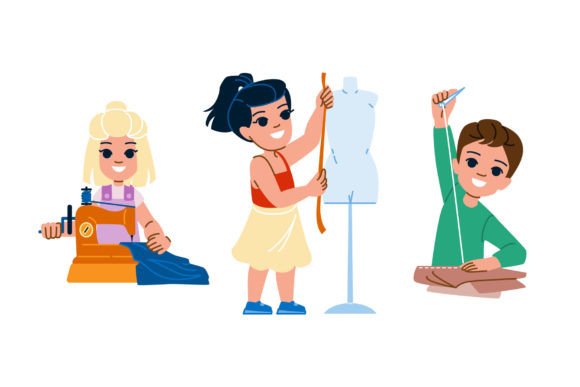
As an embroidery designer who has spent countless weekends behind a booth table, I have learned that not every machine embroidery design translates well from screen to stitch. When I first pulled up the Embroidery Sewing Kid Vector file on my digitizing software, my immediate goal was to determine if it had the visual punch required for a busy handmade market. This specific asset, described as a child girl character engaged in paper work and thread handicraft, presents itself as a flat cartoon illustration. For those of us running small shops or selling on Etsy, the question is always the same: will this stop a shopper in their tracks?
First Impressions and Visual Appeal
The initial look of Embroidery Sewing Kid Vector leans heavily into a cute, modern aesthetic. It does not try to be overly realistic or rustic; instead, it embraces a clean, graphic style that fits perfectly within the current trend of minimalist yet playful home decor. The character depicts a young girl involved in creative activities, which creates an instant emotional connection with customers who value handmade quality and creativity. Because it is based on vector-style graphics, the lines are crisp and defined. This clarity is crucial when you are trying to communicate a concept quickly to a passerby who might only glance at your display for a second.
In terms of mood, this design feels soft and inviting. It is not aggressive or loud, which makes it versatile. It works equally well for a children’s boutique section of your booth or as a charming accent in a general home goods display. The flat cartoon illustration style ensures that the design remains legible even when scaled down, a vital trait for versatile product lines.
Product Versatility for Market Sellers
When preparing for a craft fair, I always look for designs that can be applied across multiple product types to maximize my inventory efficiency. Embroidery Sewing Kid Vector shines in this regard. Here is how it performs on common handmade items:
- Tote Bags: This is perhaps the strongest application. A large hoop size allows the character to be the focal point. The simple lines of the girl and her thread handicraft tools stand out beautifully against canvas or cotton tote bags. It creates an instant tote bag design that appeals to teachers, crafters, and parents.
- Aprons: For kitchen-themed booths, this design adds a whimsical touch to adult or child aprons. The apron embroidery looks professional because the flat style avoids excessive bulk, keeping the garment comfortable to wear.
- Tea Towels: Placing this design on the corner of a linen or cotton towel creates a high-end feel. However, you must be mindful of the fabric texture. Loopy towels can distort fine details, so smooth waffle weave or flat cotton is recommended for this specific graphic.
- Embroidered Patches: If you offer iron-on or sew-on patches, this character is ideal. The bold outlines typical of vector-style graphics translate well into satin stitches, making the patch durable and visually striking.
- Caps and Hats: While possible, curved surfaces require careful digitizing. Ensure the design is not too wide, or it will wrap around the cap and distort. A smaller version of the girl’s face or upper body might work better here than the full character.
Production Practicality and Stitch Density
From a production standpoint, time is money. One of the biggest advantages of using a design like Embroidery Sewing Kid Vector is its potential for efficient batch production. Because it is a flat illustration, it likely avoids the extremely high stitch density found in photorealistic portraits. Lower density means faster run times and less thread consumption, which directly improves your profit margin on each small shop product.
However, there are careful-use notes to consider. Even with a simplified vector style, you must check for tiny details. Small elements, such as the threads or paper work depicted in the character's hands, may become lost if the design is scaled down too far. Always test the design on scrap fabric before committing to a final finished product. Pay close attention to the spacing between color blocks. If the gaps are too narrow, the fabric might show through, breaking the illusion of a solid graphic.
Another critical factor is the choice of stabilizer. For lightweight fabrics like tea towels or thin cotton pouches, a cut-away stabilizer is often necessary to prevent puckering, especially if the design has any dense fill areas. For heavier materials like tote bags or denim, a tear-away might suffice, but always test first to ensure the thread colors pop against the background without sinking into the fabric.
Marketing and Brand Consistency
For Etsy sellers and digital entrepreneurs, the visual appeal of your listing photos is paramount. Embroidery Sewing Kid Vector photographs well because of its clear shapes and distinct colors. When creating a printable mockup or staging a real-life photo for your online store, ensure you use high-contrast thread colors. For example, stitching this design in bright pastels on a dark navy tote bag will make the character jump off the screen. This contrast helps buyer engagement and can significantly boost click-through rates.
Consistency is key for brand building. If your brand focuses on handmade, wholesome, and creative values, this design aligns perfectly. It tells a story of craftsmanship and childhood innocence. Using this same character across different items—such as a matching set of a tote bag and a pillow cover—creates a cohesive collection that encourages larger purchases. Customers love seeing a design they like available in multiple formats, as it simplifies their gift-buying process.
Essential Designer Checks Before Selling
Before you list this as a commercial embroidery product or sell finished goods at your next fair, perform these final checks:
- Verify Licensing: Confirm that your purchase of the digital embroidery file includes commercial rights. Never assume; always read the license terms provided by the creator of the design assets.
- Test Hoop Sizes: Determine the minimum viable size. Can it be stitched in a 4x4 hoop for small gifts? Does it look best in a 5x7 or 6x10 hoop for larger items? Know your limits to avoid wasted materials.
- Check Thread Contrast: Ensure the thread colors you choose provide enough distinction between the character and the background fabric. Poor contrast is the number one reason embroidered designs fail to impress in person.
- Inspect Detail Clarity: Zoom in on your test stitch-out. Are the tiny details of the paper work and thread clear? If they look like blobs, simplify the design or increase the size.
In conclusion, Embroidery Sewing Kid Vector is a strong contender for craft fair inventories. Its blend of cute aesthetics and practical simplicity makes it a reliable choice for a variety of handmade products. By paying attention to fabric choice, stabilizer type, and scale, you can turn this single graphic into a profitable line of goods that resonate with customers looking for unique, high-quality handmade items.