Review: Spring Hand Embroidery Digital Paper
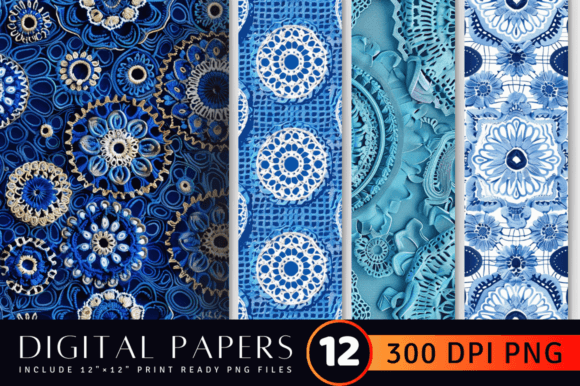
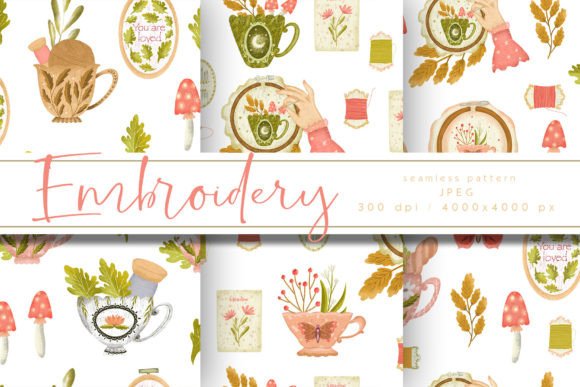
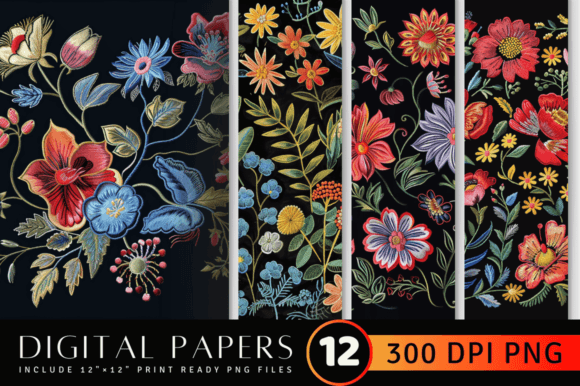
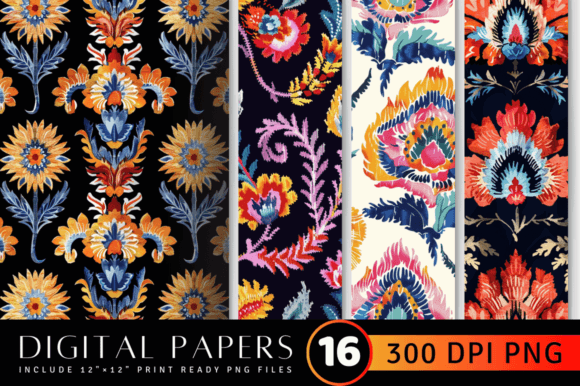
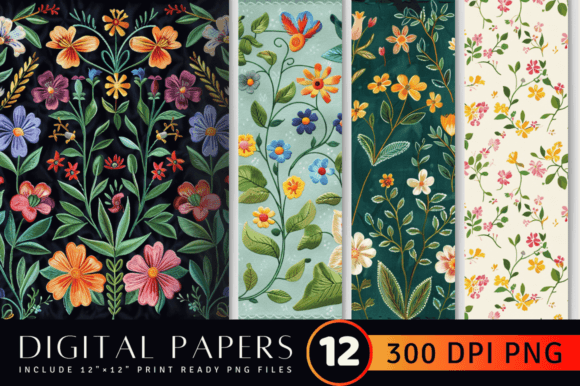
As a designer who has spent countless hours digitizing patterns and testing them on everything from stiff denim to delicate silk, I approach new Graphics with a critical eye. We often talk about the technical specs of an embroidery file, but we rarely discuss the soul of the design. When I first opened the Spring Hand Embroidery Digital Paper, my immediate reaction was not just about stitch count or density, but about mood. This collection captures that specific, tactile nostalgia of traditional paper crafts while offering the scalability and precision required for modern digital production.
The visual personality here is soft yet structured. It mimics the irregular edges and organic textures of hand-cut paper, which presents a unique challenge and opportunity for embroidery. For those of us running a craft business or selling on platforms like Etsy, finding assets that stand out in a sea of generic vector art is crucial. This set feels less like a standard digital download and more like a curated resource for creating high-value handmade product lines.
Real-World Application: The Custom Tote Test
To truly evaluate this asset, I moved beyond the screen and into the studio. My test case was a custom order for a local boutique: a set of canvas tote bag design prototypes intended for spring market launches. The client wanted something that felt artisanal but could be produced efficiently. I selected a floral motif from the Spring Hand Embroidery Digital Paper collection to see how it translated from a flat graphic to a textured surface.
The result was surprisingly effective. Because the design mimics paper layers, it naturally lends itself to a mix of satin stitch for bold outlines and fill stitch for the broader colored areas. On the heavy cotton canvas, the design held its shape beautifully. The "paper" texture implied by the graphic gave the finished embroidery a dimensional look, as if actual paper had been appliquéd onto the fabric, even though it was entirely stitched. This is where the value lies for an Etsy seller: you are selling the illusion of complex, labor-intensive craft with the efficiency of machine execution.
Navigating Fabric and Stitch Challenges
However, not every project will yield such smooth results. Designers must be realistic about where this type of Patterns works best. The intricate, jagged edges that give the "paper" look can become problematic on certain materials. If you are working with a stretchy fabric like jersey for a sweatshirt embroidery project, you must be vigilant. Without proper stabilization, those fine details can distort during washing or wear.
I recommend using a cut-away stabilizer for garments that will undergo frequent laundering, such as custom apparel or baby embroidery items. For a personalized gift like a baby onesie, the softness of the thread against sensitive skin is paramount. In my testing, I found that reducing the stitch density slightly helped maintain the delicate aesthetic without compromising durability. On thinner fabrics, such as a kitchen towel or a lightweight shirt, a backing stabilizer is non-negotiable to prevent puckering around the denser fill areas.
Another consideration is the hoop size. Some of the larger compositions in this collection require a 5x7 or even 6x10 hoop. If you are working with smaller hoops, you may need to split the design or choose simpler elements. Always check the specific dimensions before committing to a project, especially for curved surfaces like caps. An embroidered patch might be a safer bet for complex designs on hats, allowing you to stitch on flat stabilizer before attaching it to the curved cap structure.
Enhancing Brand Value and Visual Appeal
From a business perspective, the Spring Hand Embroidery Digital Paper adds a layer of sophistication to your portfolio. Customers are increasingly savvy; they can spot low-effort designs. Using high-quality design assets that mimic traditional media signals attention to detail. When a customer sees a holiday embroidery piece that looks like a handcrafted paper collage, it elevates the perceived value of the finished product.
This is particularly useful for commercial embroidery projects where brand consistency is key. Whether you are creating printable mockup files for your online store or producing physical goods for a craft fair, the cohesive look of this collection helps build a recognizable brand identity. It bridges the gap between digital precision and human touch, which is exactly what modern buyers are seeking.
Practical Notes for the Working Designer
Before you integrate this into your workflow, here are a few practical steps I always take:
- Test on Scrap Fabric: Never run a new design directly on your final garment. Use a similar weight and weave to check for puckering or thread breaks.
- Check Thread Contrast: The "paper" effect relies on subtle shading. Ensure your thread colors have enough contrast to define the edges but not so much that it looks harsh.
- Review Stitch Density: High density can make fabric stiff. Adjust settings if the design feels too heavy for the intended use, such as a lightweight scarf or blouse.
- Verify Licensing: While this review focuses on design quality, always confirm the license terms. Can you sell the digital embroidery file itself, or only the finished product? Most commercial licenses allow selling physical items, but reselling the digital file is usually prohibited.
- Mockup in Black and White: Convert your preview to grayscale to ensure the design holds up without color reliance. This helps identify if the shape and layout are strong enough on their own.
In conclusion, the Spring Hand Embroidery Digital Paper is a versatile tool for the modern maker. It requires a thoughtful approach to fabric selection and stabilization, but when executed correctly, it produces stunning, tactile results that resonate with customers. Whether you are creating a small shop product line or a one-off personalized gift, this collection offers the artistic depth needed to elevate your work from simple stitching to genuine artistry.