Review: Japanese Cat Machine Embroidery Design
As an embroidery designer who has spent countless weekends behind a craft fair table, I have learned that not every machine embroidery design translates into a bestseller. Some designs look stunning on a screen but fall flat in person. Others are technically complex but fail to catch the eye of a passing customer. Today, I am reviewing the Japanese Cat Machine Embroidery Design, a digital file that promises to be a funny and adorable addition to any outfit, backpack, or tote bag. My goal is to evaluate this piece not just as art, but as a viable craft fair product for small shop owners and Etsy sellers.
First Impressions and Aesthetic Appeal
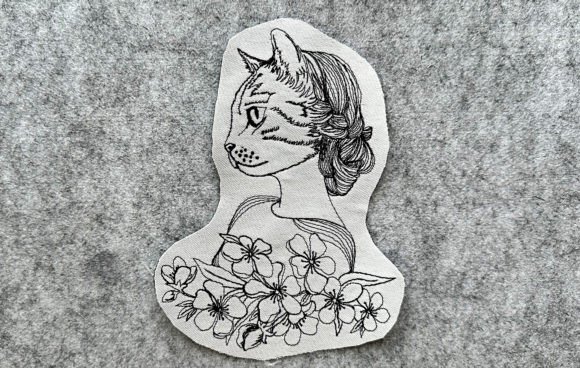
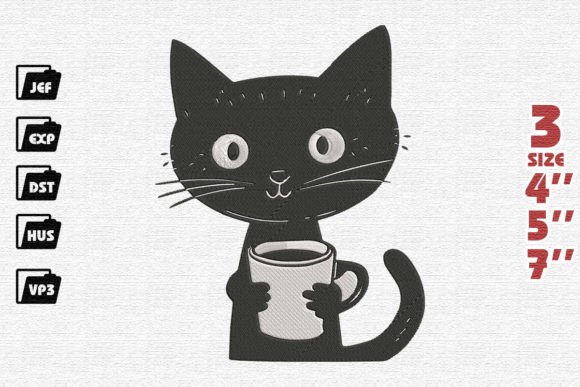
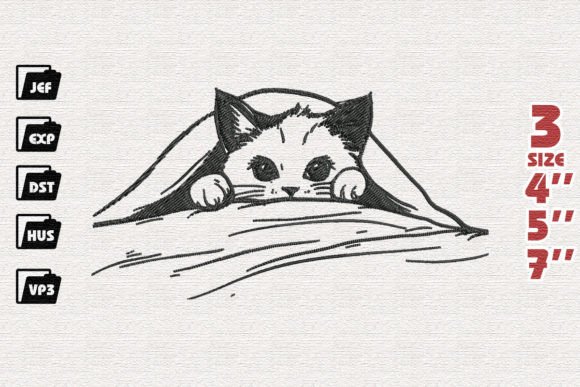
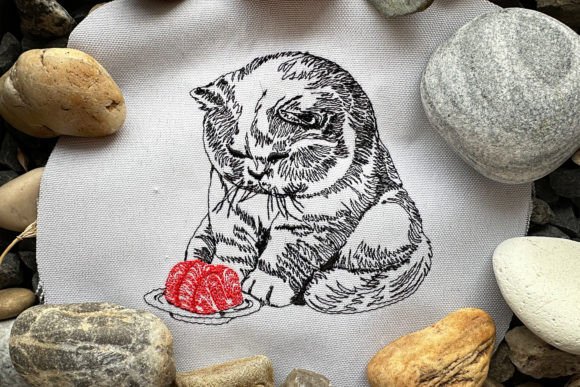
The moment I loaded the embroidery file into my software, the charm was immediate. The description highlights a "cute cheeky cat," and the visual delivery matches this promise perfectly. This is not a hyper-realistic portrait nor a stiff, traditional motif. Instead, it leans into a whimsical, modern aesthetic that feels both playful and slightly sophisticated due to its Japanese-inspired simplicity. For a handmade product line, this balance is crucial. It appeals to cat lovers without being overly juvenile, making it suitable for a wide demographic ranging from teenagers to adults who appreciate quirky home decor.
In terms of mood, the design feels bold yet minimal. It does not rely on excessive shading or thousands of stitches to make an impact. This is a significant advantage for production speed. When you are preparing for a busy market season, you need designs that stitch out quickly while maintaining high visual appeal. The Japanese Cat Machine Embroidery Design achieves this by using clean lines and expressive shapes that read well from a distance.
Product Versatility and Market Fit
The true test of any digital embroidery file is its versatility. Can it survive on different fabrics? Does it look good on various items? I evaluated this design across several potential products for a weekend booth display.
- Tote Bags: This is arguably the strongest application. A tote bag design needs to be large enough to be seen but simple enough to remain durable with heavy use. Placing this cat on a canvas tote creates an instant statement piece. It transforms a basic utility item into a fashionable accessory.
- Aprons and Tea Towels: For kitchen-themed gifts, this design shines. Apron embroidery benefits from a central focal point, and the cheeky expression of the cat adds personality to a functional garment. Similarly, tea towel embroidery allows for a smaller placement near the hem or corner, creating a subtle yet delightful detail.
- Embroidered Patches: If you want to maximize the utility of one file, consider creating iron-on or sew-on patches. An embroidered patch featuring this cat can be sold separately or used to embellish denim jackets, backpacks, and hats. This expands your inventory without requiring new digitizing work.
- Caps and Pouches: While possible, these require more caution. Curved surfaces like caps can distort designs if they are too wide. Small pouches may limit the size, potentially losing the finer details of the cat’s expression.
Production Practicality and Technical Notes
From a production standpoint, efficiency is key. A small shop product must be profitable, which means minimizing machine time and material waste. This design appears to have a manageable stitch density. It avoids the dense, carpet-like filling that can cause puckering or break needles. However, there are critical technical considerations to keep in mind before you begin batch production.
First, always check the recommended hoop size. While the description suggests it fits various items, you must confirm the specific dimensions in the file metadata. If the design is too large for a standard 4x4 hoop, you may need to resize or use a larger frame, which affects your workflow. Second, pay attention to thread colors. The design likely relies on contrast to define the cat’s features. On dark fabrics, you may need to add a white underlay or choose lighter thread shades to ensure the "cheeky" expression remains visible. On textured towels, fine details might get lost, so test on smooth cotton first.
Stabilizer choice is also vital. For tote bags and aprons, a cut-away stabilizer provides long-term durability. For tea towels, a tear-away might suffice, but ensure it does not leave residue that irritates the skin. Always test the design on scrap fabric identical to your final product. This step prevents costly mistakes and ensures the finished product meets professional standards.
Visual Impact and Sales Strategy
Why does this design sell? It triggers an emotional response. Customers at craft fairs are often looking for unique, giftable items that tell a story. The Japanese Cat Machine Embroidery Design offers a narrative of playfulness and comfort. It enhances brand consistency if your shop focuses on whimsical or pet-friendly themes. Moreover, it photographs exceptionally well for online listings. A clear, high-contrast image of the cat on a neutral background makes for an compelling printable mockup or social media post.
To maximize buyer engagement, consider displaying the design on multiple items in your booth. Show the same cat on a tote, a pillow cover, and a patch. This demonstrates versatility and encourages upsells. For Etsy sellers, use keywords like "cat lover gift," "unique embroidery," and "handmade tote" to drive traffic. Remember, if you are selling the physical items, ensure you have the appropriate commercial license for the design assets. If the file is for personal use only, you cannot sell the finished goods. Always verify these terms before investing time in production.
Final Verdict for Crafters
The Japanese Cat Machine Embroidery Design is a strong contender for any embroidery business looking to expand its Cats category. It balances aesthetic charm with production efficiency. It is easy to understand at a glance, works well on high-volume items like totes and aprons, and offers enough personality to stand out in a crowded market. By paying attention to fabric texture, thread contrast, and stabilizer selection, you can create high-quality products that customers will love. Whether you are a seasoned Etsy seller or a new crafter testing the waters at local markets, this design provides a reliable foundation for building a profitable and charming product line.