Festive Christmas Polar Bear Embroidery Review
As an embroidery designer who has spent years digitizing files for boutique brands and large-scale apparel decorators, I approach every new machine embroidery design with a critical eye. It is not enough for a file to look cute on a screen; it must perform under the needle, withstand industrial washing, and elevate the perceived value of the finished product. Recently, I reviewed the Festive Christmas Polar Bear Embroidery, a digital asset marketed toward avid embroiderers looking to infuse seasonal charm into their crafts. While the description promises a "digital marvel" that empowers users to weave festive spirit into their work, my focus was strictly on its viability for small business merchandise and branded applications.
First Impressions: Balancing Whimsy and Professionalism
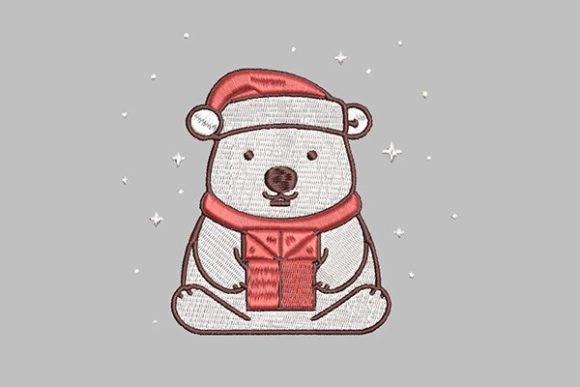
The immediate visual impact of the Festive Christmas Polar Bear Embroidery is one of approachable warmth. In the crowded marketplace of holiday decor, designs often lean too heavily into clutter or overly complex detailing that fails to translate well to thread. This design, however, strikes a balance between playful character and clean execution. For a small business owner, this distinction is vital. A design that reads as "amateur" can undermine customer trust, whereas one that feels polished enhances brand identity.
The aesthetic feels handmade yet refined, suitable for businesses that want to project a friendly, community-focused image. Think of local bakeries, independent bookstores, or pet boutiques. The polar bear motif is inherently nostalgic, tapping into classic holiday sentiments without feeling dated. For small business merch, this emotional connection is a powerful tool for driving engagement during the Q4 retail rush.
Real-World Applications for Commercial Embroidery
When evaluating a digital embroidery file for commercial use, I always ask: where does this live on the product? The versatility of this polar bear design makes it a strong candidate for various custom apparel and accessory projects. Here is how I envision it performing in a real business scenario:
- Embroidered Patches: This is perhaps the strongest application. A well-digitized polar bear works beautifully as a standalone patch that can be ironed or sewn onto jackets, beanies, or tote bags. It allows customers to buy a base product and customize it later, increasing the average order value.
- Staff Uniforms and Aprons: For cafes and florists, apron embroidery adds a touch of personality to staff attire. Placing this design on the chest pocket or lower hem creates a subtle branding moment that feels less corporate and more personal.
- Cap Embroidery: Front-panel placement on dad hats or beanies is trending. However, curved surfaces require careful consideration of stitch direction and density to prevent puckering.
- Tote Bag Design: Canvas bags are staples for eco-conscious brands. A medium-sized polar bear centered on a tote serves as both decoration and brand marker, especially when paired with a simple text logo underneath.
Using this design as a printable mockup element in your online store can also help visualize the final look for clients who may not understand how thread translates to fabric. Showing the design on a realistic garment photo builds confidence and reduces return rates.
Technical Considerations and Potential Pitfalls
While the artistic merit is high, technical execution is where many designs fail in production. The description notes that the file is "enhanced for avid embroiderers," but it does not specify exact stitch counts or recommended hoop sizes. This lack of data requires the designer to do their due diligence before committing to a large run.
Stitch density is a primary concern. If the polar bear’s fur texture is created using dense satin stitches or tight fill patterns, it may become stiff and heavy on lightweight fabrics like cotton tees. Conversely, if the density is too low, the backing material might show through, ruining the premium look. I recommend testing the file on scrap fabric identical to your production material. Pay close attention to thread colors; white thread on white fabric lacks contrast, while white on dark navy requires a solid underlay to prevent the fabric color from bleeding through the design.
Another critical factor is size scalability. Can this design shrink down to a 2-inch chest logo without losing detail? Or does it need to remain at least 4 inches to maintain clarity? Small details like the bear’s eyes or nose can merge if the design is resized incorrectly. Always check the spacing between elements. Tight spacing increases the risk of thread breaks and needle hits, which slows down production and increases waste.
Material and Stabilizer Selection
The success of any commercial embroidery project depends heavily on the interaction between the needle, thread, fabric, and stabilizer. For textured fabrics like fleece or terry cloth towels, a cut-away stabilizer is essential to support the weight of the design. For woven shirts, a tear-away might suffice, but only if the stitch count is moderate. Always test on the actual fabric texture you intend to use. A design that looks crisp on smooth polyester may pucker on rough linen.
Enhancing Brand Identity and Customer Trust
Beyond the technical specs, consider how this design serves your broader marketing goals. Consistency is key to brand identity. If your brand voice is whimsical and family-oriented, the Festive Christmas Polar Bear Embroidery aligns perfectly. It signals to customers that your brand pays attention to detail and embraces seasonal traditions. This emotional resonance can turn a one-time buyer into a loyal advocate.
Furthermore, high-quality embroidery suggests durability and care. When a customer receives a hat or bag with a clean, well-stitched design, they perceive higher value. This perception justifies premium pricing and encourages social sharing. Use this design as part of a cohesive suite of design assets, ensuring that the thread colors match your existing brand palette. If your logo uses specific blues or reds, try to match those shades in the polar bear’s accessories or background elements to create visual harmony.
Final Designer Notes for Production
Before launching this design into your production queue, follow these practical steps to ensure quality control:
- Test in Monochrome: Stitch out the design in black and white first. This reveals the structural integrity of the digitizing without the distraction of color. If it looks messy in one color, it will look messy in ten.
- Verify Licensing: The product description mentions empowering avid embroiderers, but it does not explicitly state commercial usage rights. Confirm with the seller that you have the license to use this file for goods sold in your shop. Never assume a download includes commercial rights.
- Create Client Mockups: Use digital tools to place the design on various products. Show these to potential B2B clients or use them in your Etsy listings to demonstrate versatility.
- Check Hoop Size Compatibility: Ensure the design fits within your standard hoop sizes. If it requires a large hoop, calculate if that impacts your production speed or machine availability.
In conclusion, the Festive Christmas Polar Bear Embroidery offers significant potential for small businesses looking to add seasonal flair to their offerings. Its charm lies in its ability to feel both professional and heartfelt. However, its success depends entirely on proper technical execution. By respecting the limitations of thread and fabric, and by verifying all technical specifications before production, you can transform this digital file into a tangible asset that drives sales and strengthens your brand. Treat it not just as a decoration, but as a strategic component of your holiday merchandising strategy.