Eagle Embroidery Design: A Pro Review for Merch
As an embroidery designer who has spent years digitizing logos and testing files on everything from delicate silk to heavy denim, I approach every new machine embroidery design with a critical eye. It is not just about whether the image looks pretty on a screen; it is about how it performs in the hoop, how it wears after fifty washes, and how it elevates a brand’s perceived value. Today, I am reviewing the Eagle Embroidery Design, a piece marketed heavily toward Independence Day themes but possessing a versatility that extends far beyond seasonal patriotism.
For small business owners, Etsy sellers, and apparel decorators, finding the right digital embroidery file is crucial. You need assets that are reliable, scalable, and visually striking. Let us break down how this specific eagle motif holds up under professional scrutiny for branded merchandise and commercial use.
First Impressions: Visual Personality and Brand Fit
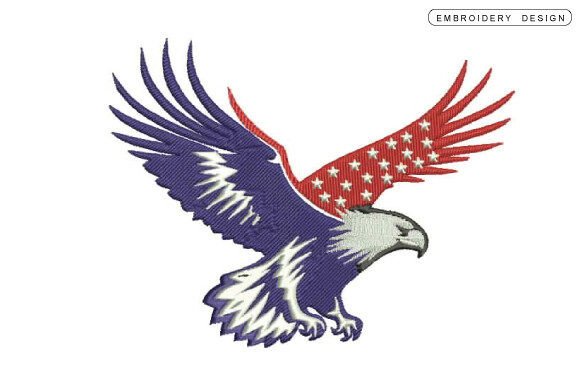
The first thing I notice about the Eagle Embroidery Design is its bold, classic aesthetic. While the product description highlights its suitability for Independence Day, the imagery of an eagle inherently conveys strength, freedom, and premium quality. This makes it an excellent candidate for brands that want to project authority and trustworthiness. It does not feel overly playful or rustic; rather, it leans toward a traditional, dignified style.
For a handmade brand or a creative studio, this design can serve as a powerful symbol of craftsmanship. If you run a boutique that sells American-made goods, this eagle acts as a subtle yet clear marker of origin. The lines appear clean, suggesting that the digitizer prioritized clarity over excessive complexity. This is vital because overly complex designs often turn into thread nests on smaller items. The visual personality here is professional and established, making it suitable for businesses that want to appear established and reliable.
Real-World Application for Small Business Merch
The true test of any embroidery file is its application across various products. The description notes that this design works on pillows, tote bags, jackets, and framed artwork. From a production standpoint, I agree with this assessment, but let us look deeper into specific business use cases.
- Embroidered Patches: This is perhaps the strongest use case. An eagle motif translates beautifully to a patch format. You can create high-margin embroidered patch products for customers who want to customize their own gear. Ensure you check the recommended hoop size to maximize detail without overcrowding the patch border.
- Staff Uniforms and Aprons: For cafes, bakeries, or florists, a chest-logo placement of this eagle on an apron embroidery setup adds a touch of prestige. It moves the uniform from "work clothes" to "branded attire." However, keep the size moderate to avoid stiffness on the fabric.
- Cap Embroidery: Placing this on the front of a cap requires careful attention to curvature. The eagle’s wingspan must be balanced so it does not distort when stitched on the curved panel of a baseball cap. If the design is too wide, it may wrap around the sides, which looks unprofessional.
- Tote Bag Design: Tote bags are a staple for small business merch. The eagle provides a strong focal point on canvas material. Because canvas has a visible weave, ensure your thread colors have enough contrast to stand out against the texture.
Using this design for customer gifts or event merch can significantly boost brand identity. When a client receives a high-quality jacket or bag with this emblem, it reinforces their connection to your brand. It transforms a simple transaction into a memorable experience.
Technical Considerations and Production Risks
While the Eagle Embroidery Design is versatile, there are areas where caution is necessary. As a designer, I always advise testing before full production. Here are the critical technical factors to consider:
Stitch Density and Fabric Texture: Eagle feathers involve detail. If the stitch density is too high, it can cause puckering, especially on lighter fabrics like cotton tote bags or thin polo shirts. Always use an appropriate stabilizer—cut-away for stretchy fabrics and tear-away for stable wovens. Test the design on the actual fabric texture you plan to use. What looks good on a digital mockup might sink into plush fleece or pucker on lightweight linen.
Size Limitations: Do not attempt to shrink this design too much. Fine details in the eagle’s eyes or beak will merge if reduced below a certain threshold. If you are creating small labels or tiny chest logos, verify that the essential shapes remain distinct. A blurry eagle looks amateurish and hurts customer trust.
Color Contrast: Since this is often associated with Independence Day, you might be tempted to use red, white, and blue. However, for year-round custom apparel, consider monochrome options. A black-on-black or white-on-navy execution can look incredibly sophisticated and modern. Test the design in black and white first to ensure the silhouette is strong enough to stand without color reliance.
Enhancing Brand Identity and Value
Incorporating the Eagle Embroidery Design into your product line is not just about decoration; it is a strategic move for brand identity. Consistent use of high-quality embroidery signals professionalism. It tells your customers that you care about durability and presentation. This perception allows you to charge a premium for your handmade product offerings.
Visual consistency is key. If you use this eagle on your packaging, website, and physical merchandise, it creates a cohesive brand story. For Etsy sellers, having unique design assets like this sets you apart from competitors using generic clipart. It adds a layer of exclusivity and artistic merit to your shop.
Practical Designer Notes for Implementation
Before you load this file into your machine for a large order, follow these steps to ensure success:
- Check Licensing: Confirm the commercial licensing terms included with the digital embroidery file. Ensure you are allowed to sell finished products containing this design.
- Create a Printable Mockup: Use software to place the design on a photo of your actual product. This helps visualize scale and placement before stitching.
- Test Stitch-Out: Always do a test run on scrap fabric identical to your production material. Check for thread breaks, jumps, or registration issues.
- Review Thread Colors: Match your thread palette to your brand guidelines. Do not rely solely on default color stops in the file.
- Inspect Spacing: Look at the spacing between elements. If areas are too dense, consider adjusting pull compensation in your editing software if you have the skills, or choose a simpler version if available.
The Eagle Embroidery Design is a robust asset for any business looking to add a touch of classic Americana or symbolic strength to their merchandise. Whether used for commercial embroidery projects, staff uniforms, or retail patches, it offers a blend of tradition and versatility. By respecting the technical limitations of embroidery and focusing on high-quality execution, you can turn this single design into a cornerstone of your brand’s visual identity. Remember, the finished product is only as good as the preparation behind it, so take the time to test, refine, and perfect your application.